
Great Garages: Great Information for the Space You've Always Dreamed About!
I’m a garage person. When I was in college, my parents moved out of town for work, and my days of commandeering the family garage came to an abrupt halt. Fortunately, my future wife’s parents allowed me to continue pursuing my passion for working in garages at their home.
Living in upstate New York at the time (40+ years ago!), heating was a major factor for getting any work done for nearly seven months of the year. Funds were scarce, to say the least, so I built a wood stove out of a 55-gallon barrel with a flue vented out the window. Concrete blocks elevated it about 18 inches off the floor, and my total investment was less than $20. The space was about 20' x 20', which accommodated a ’69 Camaro and all my tools. My net worth was negative back then (thanks largely to student loans), but I managed to attract a steady amount of automotive work—a great start.
About five years later, I began building garages for all kinds of custom applications. Space planning is a critical element. Unfortunately, many new homes are built with 20' x 20' (or smaller) garages alongside 3,000 sq. ft. houses. Homeowners quickly discover that with a mid- to full-size vehicle—and anything else—it just doesn’t work. Some of the custom features we’ve built include heavy stair systems for transporting cylinder heads to attic storage, second-floor playrooms for grandkids, “man caves,” in-law suites, car stacking systems, lifts, hobby spaces—even a 15-foot ceiling garage designed to double as a basketball court in the winter. It’s incredibly satisfying to envision customers enjoying these spaces for years to come.
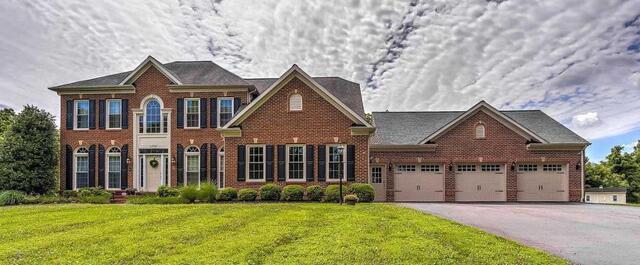
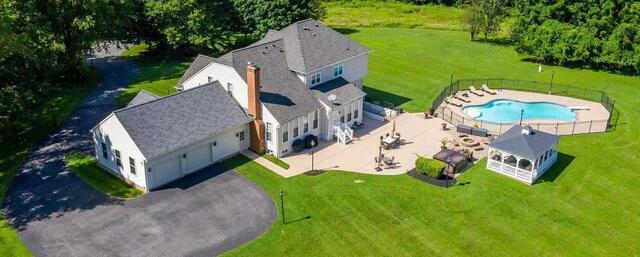
Key Planning Considerations
Keep in mind that you’ll lose about 1.5 feet of depth due to wall thickness and the overhead door system. Windows and additional exits are important beyond the garage door itself. Security is also a major concern for those storing valuable tools and equipment. Interior security bars, cameras, and good lighting all help. Exterior lighting—especially on timers—is a great idea. Motion detectors work well but can be inconvenient if lights shut off while you’re working. Planning for cameras during the design phase makes installation much easier.
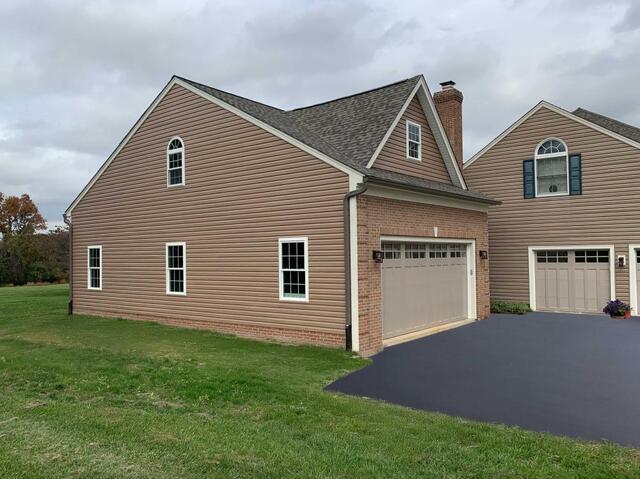
Driveways and Surfaces
Driveways and walkways matter too. Asphalt and concrete are the most common options, while crushed stone or pavers can offer cost savings or unique aesthetics. If you plan to use a floor jack, consider pouring a 6-inch concrete slab with additional reinforcement in that area. Asphalt is more cost-effective in many cases, and we sometimes replace failing concrete driveways while incorporating asphalt in other sections.
Electrical Considerations
Electrical service offers a wide range of options. Building codes provide a solid foundation for planning. Start by evaluating your home’s existing electrical service. A basic garage might require just two circuits with an exterior disconnect. Most homes have a 200-amp service panel, and adding a couple of circuits is usually straightforward if capacity allows. Many homeowners want to run compressors or larger equipment. Installing a subpanel—typically around 60 amps—is a common and practical solution.
Attached vs. Detached Garages
Will your garage be attached or detached? Attached garages are often more cost-effective since they share a wall with the home. Detached garages require a full additional wall, increasing costs. In Howard County, MD, attached garages now require an EV charger, while detached garages currently do not.
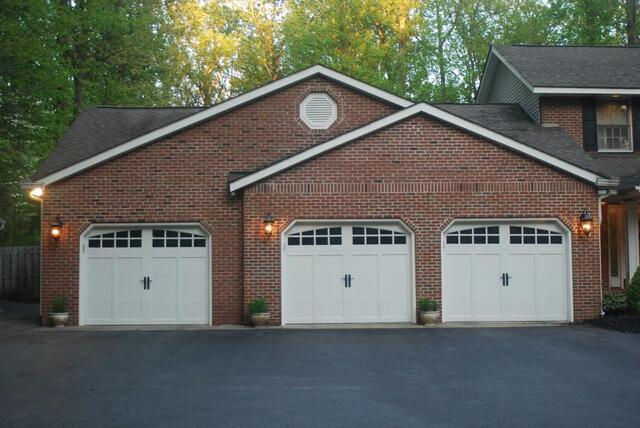
Overhead Doors
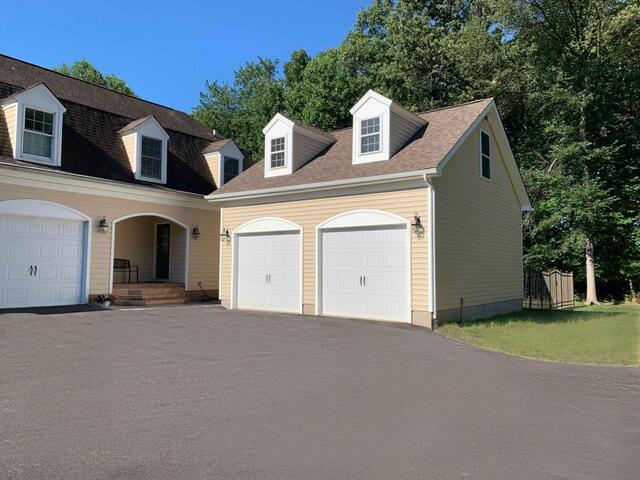
Garage doors come with different track configurations. Standard overhead tracks can limit ceiling space. If you plan to install a lift or create a recreational space (like a basketball area), consider high-lift or wall-mounted track systems. These pair well with side-mounted openers instead of ceiling-mounted ones.
If you plan to insulate or drywall the garage, insulated doors are essential. Many homeowners also opt for glass panels, custom trim, colors, and keypad entry systems for added convenience.
Design & Materials
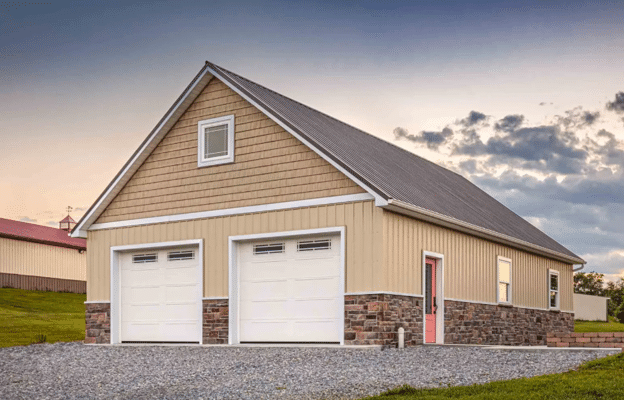
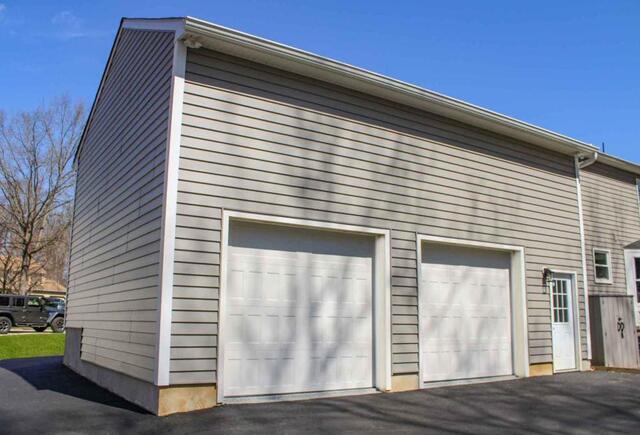
Design choices matter. Will the front elevation feature a gable or an eave? What materials will you use—vinyl siding, brick, stone accents, asphalt roofing, or even steel construction? Drive-through garages are another popular and practical option.
Heating & Cooling
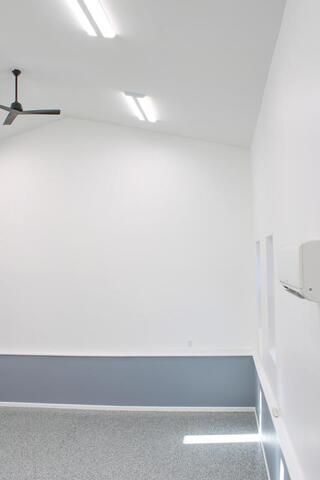
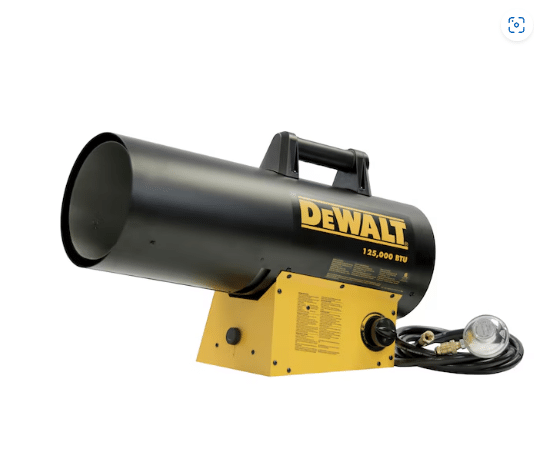
Conditioning the space is increasingly common. We often recommend Mitsubishi mini-split systems, which include an outdoor condenser and a wall-mounted air handler. Ducted systems are also an option, typically with the air handler located in the attic. Through-wall systems offer a more budget-friendly alternative, and portable propane heaters are an economical choice that can run off standard BBQ tanks.
Starcom Design & Build has been creating “From Concept to Completion” custom garages for over 40 years.
Please reach out with any questions or to schedule an initial consultation. We’ll help get you on the driveway to your dream garage.